Finding the perfect wedding dress
« Back to list7th December, 2009Tips and advice for finding the perfect wedding dress for your style, shape and occasion.
For many women a wedding gown is beyond a dress - it encapsulates their dreams of married life and peerless beauty. The quest for perfection can be both daunting and angst-ridden; what all brides need to remember is the best dress is one that reflects their personality and flatters their body shape.
Research is a good place to start: buying magazines, looking at fabrics, cutting out images and swatches of inspiring elements, can all inform your gown designer or bridal wear retailer.
There are advantages to having a dress made exclusively - the main one being it will fit perfectly. Many gown designers require six months notice or more - and at least four fittings - so be sure to plan ahead. When buying off the rack, most shops carry a range in standard sizes that can be altered according to your measurements. Alternatively a retailer may order a gown in for you, and arrange fittings as required.
For brides who start the gown design process with a preferred fabric, their selection will dictate the shape, drape and cut of a dress, as well as the season and time of day it is worn. For brides who have a preferred silhouette - from billowing ball gown to slinky sheath - the fabric will need to be chosen accordingly.
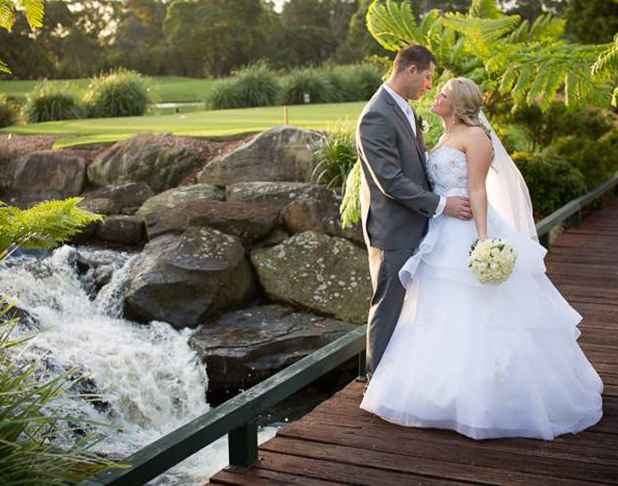
Whether a gown is soft or structured in shape, a major consideration is the neckline. Like hemlines, necklines signify fashion trends and are a central point of focus: from high-necked to strapless and off-the shoulder, there are variations to suit every woman and body type.
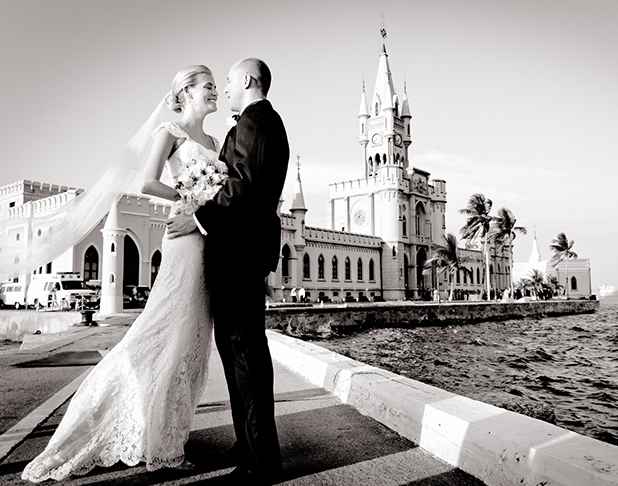
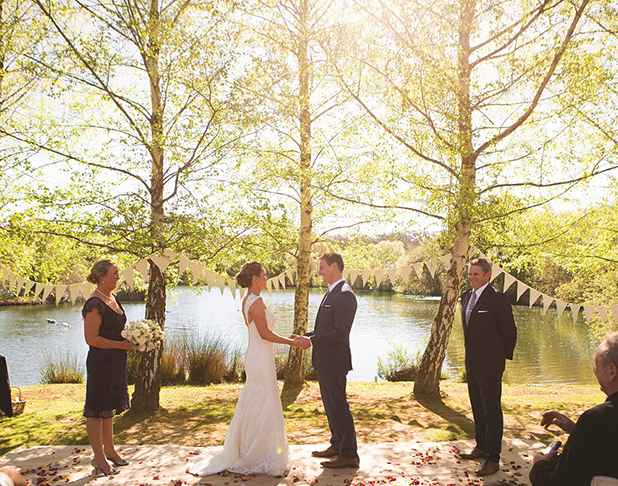
The back of the wedding gown can also make a significant impact. Details such as ruching, gathering, folds, stitching, beading, jewel embellishments and plunging back-lines, can add drama to a bride's overall look. For traditional brides, bustles and trains - attached or removable - are a major consideration in the design of a gown.
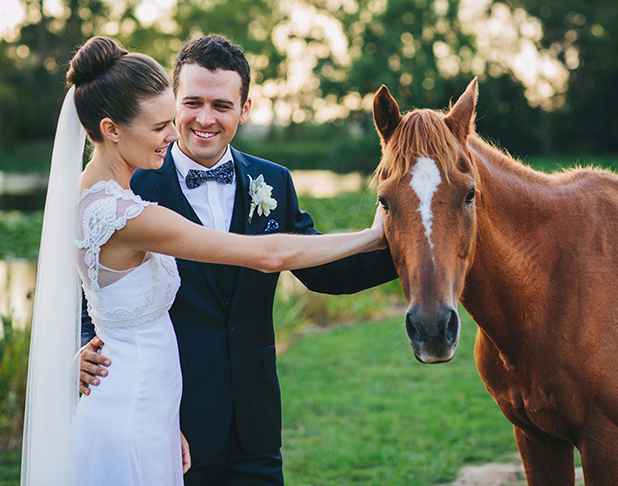
The wedding veil is perhaps the most symbolic bridal accessory. As well as complementing the style of the gown, the veil should suit the brides' face, hairstyle, headpiece (if she has one) and external factors such as the venue, and natural elements. Whether it's a short and flirtatious fascinator or a mysterious, cascading veil, it is essential to think about both the dress and the environment it will feature in.
QUICK TIPS:
- Most brides lose weight in the last few weeks before the wedding so make sure your dress can be altered right up to the last minute.
- Take the shoes and underwear you intend to wear to your gown fittings.
- White can be a very hard colour to wear - try ivory, cream or pastel hues as an alternative.
- Some wedding ceremonies are up to an hour long and guests will spend that time looking at the back of your dress, so give all aspects of your gown due consideration.
- The most extraordinary gown can be ruined by excessive beading or ornamentation.
- A high neckline can be provocative with an element of surprise such as a plunging back.
- The crumb-catcher - an outer layer of fabric that encases the bodice - enhances a small bust and provides additional support for a large one.
- If you are on a tight budget and need to buy off the rack - sales are a good time to buy samples and end of season dresses.