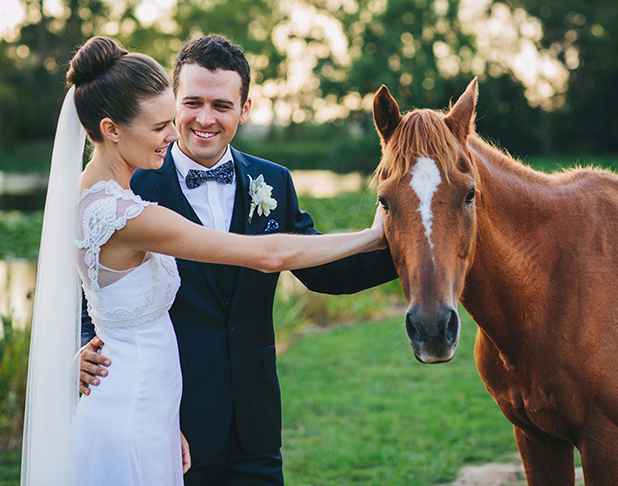

Marriage in Australia is a beautiful testament to love, commitment, and cultural diversity. From Indigenous ceremonies that have deep roots in ancient traditions to modern celebrations influenced by waves of immigration, Australia's approach to marriage is inclusive and vibrant.
Understanding the marriage process is crucial for couples eager to start their journey together on the right foot. Knowing the legal requirements, choosing the right celebrant, and planning a ceremony that reflects your unique bond ensures a memorable and legally recognized union.
Dive deeper to navigate the marriage process seamlessly and create a blissful beginning to your shared life. Let's explore further to uncover the steps to a perfect Australian wedding.
Legal Requirements For Marriage
The legality of marriage in Australia is essential for a valid and recognized union. Australia embraces inclusivity, allowing same-sex marriages. Both partners must be at least 18 years old, free from any impediments, and legally divorced if previously married.
Gender And Same-Sex Marriage
Same-sex marriage has been legally recognized in Australia since December 2017, affirming the rights of LGBTQ+ couples to marry. This landmark change grants same-sex marriage equal legal recognition, benefits, and protections. LGBTQ+ couples now enjoy the same legal standing as heterosexual couples, fostering greater social acceptance and inclusivity. Legalizing same-sex marriage has positively impacted society, promoting equality and celebrating diverse relationships, making Australia a more inclusive and just society.
Age Requirement
Both individuals must be at least 18 years old to marry in Australia. However, exceptions exist for those aged 16-17, requiring both parental consent and judicial approval. These measures protect minors and ensure informed consent, safeguarding young individuals from potential coercion or exploitation. The strict age requirement underscores the importance of maturity and readiness for marriage, emphasizing the commitment and responsibility involved in such a significant life decision.
Impediments To Marriage
Impediments to marriage ensure the validity and legality of unions in Australia. Common impediments include existing marriages, close blood relationships, and lack of consent. These barriers prevent illegal or ethically problematic marriages, protecting individuals' rights and societal norms. For instance, marrying a close relative or, while already married invalidates the union. Understanding these impediments is crucial for couples to navigate the legal landscape and ensure their marriage complies with Australian law.
Legal Impediments And Divorce Papers
The divorce process in Australia involves obtaining a dissolution order, which legally ends a marriage. Divorce papers include critical information like grounds for divorce, asset division, and child custody arrangements. Navigating this process requires understanding legal requirements and implications, such as mandatory separation periods and filing procedures. Thorough knowledge of divorce proceedings ensures individuals can manage their legal rights and responsibilities, facilitating a smoother transition through this challenging phase.
Role Of An Authorized Marriage Celebrant
An authorized marriage celebrant plays a pivotal role in crafting and officiating your wedding ceremony. Beyond being a mere officiant, they hold legal authority to solemnize marriages, making their role both ceremonial and legal.
Their responsibilities encompass guiding couples through the legal requirements, crafting personalized ceremonies, and solemnizing marriages in accordance with Australian law. When selecting the perfect celebrant, consider factors like their personality, style, and availability, ensuring they resonate with your vision for the big day.
Reputable marriage celebrants can be found through recommendations from friends or family, online directories, or professional associations. During initial consultations, ask about their approach to ceremonies, experience, and any additional services they offer to ensure they fit your special day. Choose a celebrant who meets legal requirements and brings joy and authenticity to your wedding celebration.
Documents Required For Marriage
Before embarking on the journey of marriage in Australia, it's crucial to ensure you have all the necessary documents in order. Proof of identity, such as passports, driver's licenses, or national identity cards, is essential to establishing your identity and marriage eligibility. When registering your marriage, presenting original and valid IDs is paramount.
Specific original documents are required, including birth certificates, proof of residence, and other documents mandated by local regulations. Obtaining original documents may necessitate translations or certifications if marrying internationally or in a different jurisdiction.
Disclosing any previous marriages or divorces during the application process is vital, requiring documents like divorce decrees, annulment certificates, or death certificates of former spouses to verify marital status. Ensuring you have the right documents ready ensures a smooth and legally recognized marriage process.
Preparing For A Marriage Ceremony
Preparing for your marriage ceremony involves obtaining the Intended Marriage Form, gathering required documents, and giving notice of intention to marry. Understanding the legal timeframe and requirements is crucial to ensure a seamless and timely process for your special day.
Obtaining The Intended Marriage Form
The Intended Marriage Form is a crucial document that formalizes your intention to marry and initiates the legal process. This form can be obtained from your local registry office or online government portals. Accuracy is paramount when filling out the form, ensuring your marriage is legally recognized. Be sure to provide all required information, including personal details and the proposed date and location of the wedding, to avoid any delays or complications in the process.
Gather The Required Documents And Evidence
Various documents and evidence are needed to support your marriage application, including identification documents such as birth certificates and proof of residency. It's essential to double-check the local requirements to ensure you provide all necessary documentation. These documents indicate your marriage eligibility and help verify your identity and marital status, facilitating a smooth and legally recognized marriage process.
Giving Notice Of Intended Marriage
Giving notice of an intended marriage involves lodging the Intended Marriage Form with your chosen celebrant or registry office. It should be done at least one month before the wedding date, adhering to legal deadlines. During this period, potential objections to the marriage may arise, typically based on legal grounds such as existing marriages or prohibited relationships. Addressing any objections promptly and following legal procedures ensures a seamless continuation of the marriage process.
Legal Timeframe
Understanding the legal time frames associated with preparing for a marriage ceremony is essential. Waiting periods may vary based on your location and circumstances, so it's crucial to be aware of these legal requirements. Being informed about the legal timeframe allows couples to plan accordingly and ensure their marriage ceremony proceeds smoothly and in compliance with the law.
Conducting A Legal Marriage Ceremony
The process of conducting a legal marriage ceremony may vary depending on your location and religious or cultural beliefs. However, some essential steps must be followed to ensure the marriage is legally recognized. These include obtaining a valid marriage license, completing and signing the necessary documents, and having an authorized individual officiate the ceremony. It's important to research and understand the specific requirements in your area to ensure a successful and legal marriage ceremony.
Role Of Witnesses
The presence of witnesses is a crucial aspect of a legal marriage ceremony. Witnesses must sign the marriage license and serve as proof that the couple entered the marriage voluntarily. Depending on your location, specific requirements for who can act as a witness may exist, such as being over 18 years old or not being related to the couple. It's important to check these requirements beforehand and choose suitable witnesses.
Exchange Of Vows And Rings
The exchange of vows and rings is integral to a marriage ceremony. The couple can choose to write their personalized vows or use traditional ones. This is also when the partners exchange rings as a symbol of love and commitment to each other.
Signing The Marriage Register And Certificates
With the exchange of vows and rings, it's time to sign the marriage register and certificates. This is a legal requirement in most countries, and it officially documents the marriage. The couple must sign with their witnesses, and the officiant or registrar will sign as an official witness. The ceremony may also include other rituals or traditions that hold significance for the couple, such as lighting a unity candle or performing a sand ceremony.
Registering The Marriage
For the marriage to be legally recognized, the signed marriage register and certificates must be registered with the appropriate government authority. This varies by country, but it usually involves submitting the documents to a local courthouse or city hall. The couple may also need to obtain a marriage license before registering.
Submission Of Marriage Documents
Submissions of marriage documents can be made in person or online. The process typically involves providing proof of identification, the signed marriage register, and other required documentation. Once submitted, the government authority will review and process the documents to officially register the marriage.
Retaining Copies Of Marriage Certificates
When registering a marriage, retaining copies of the marriage certificates for future use is important. These documents may be needed for legal purposes, such as applying for a name change or obtaining benefits. Keeping physical and digital copies in a secure location is recommended. In some cases, certified copies of marriage certificates can be obtained from the government authority after registration. This may involve paying a fee and providing proof of identification. It is also possible to request additional copies later if needed.
Accessing Official Marriage Certificates
Couples may need to access their official marriage certificates for various reasons, such as applying for a passport or updating insurance policies. Usually, these documents can be obtained from the government agency responsible for registering marriages. However, the process and requirements may vary depending on location. It is recommended to research and understand the specific procedures to obtain official marriage certificates in your area.
How Can Overseas Marriage Be Recognized In Australia?
In Australia, the recognition of overseas marriages is governed by the Marriage Act 1961. According to this legislation, an overseas marriage will be considered valid and recognized in Australia if it meets certain criteria. Firstly, the marriage must have been conducted legally according to the laws of the country where it took place. This means that all legal requirements of that country for a marriage must have been fulfilled. Additionally, at least one of the parties involved in the marriage must have been able to legally marry under Australian law at the time of their wedding overseas. This implies that both individuals were of legal age, not closely related by blood, and not already married to someone else.
Furthermore, an overseas marriage to be recognized in Australia does not need to be registered with any Australian authority. However, it's important for couples who got married abroad and wish their marital status to be acknowledged in Australia to keep their foreign marriage certificate safe as proof of their union. This document is essential when using marital status for legal purposes within Australia, such as changing one’s name, applying for certain social security benefits, or migration and visa applications.
Hassle-Free Marriages In Australia With Real Weddings!
If you want a marriage celebrant or officiant who can ensure your big day and the legal aspects of your marriage go smoothly, Real Wedding has vast links with top-notch marriage celebrants in Australia to help you make your wedding day a success. We have connections with reliable and knowledgeable marriage celebrants who can guide you through the process and ensure everything runs smoothly on your special day. We also offer everything for a wedding, including perfect wedding suppliers, venues, honeymoons, and destination locations. Contact us now to start stress-freely planning your dream wedding in Australia.